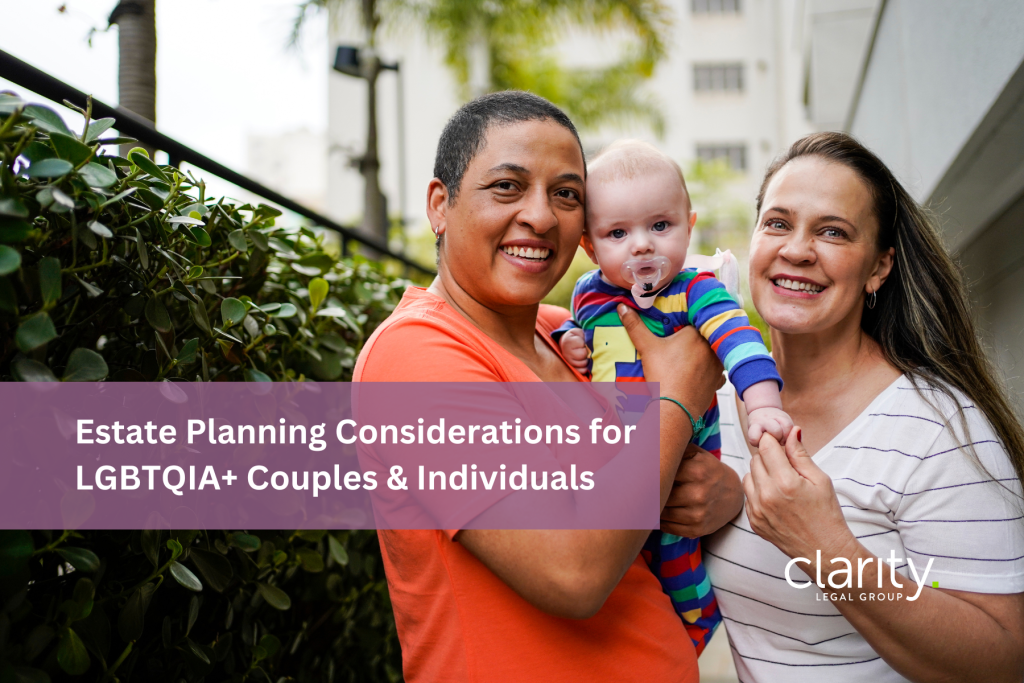
Estate planning is an act of empowerment. It ensures that your assets are distributed according to your wishes, your medical preferences are honored, and your loved ones are taken care of when you are gone. For the LGBTQ+ community, estate planning carries a deeply significant layer of importance.
While historic milestones like marriage equality have closed many legal gaps, the reality is that LGBTQ+ individuals—both coupled and single—still face legal vulnerabilities. Traditional state default laws are built around biological and marital definitions that may not reflect your actual life, your values, or your chosen family. Without proactive estate planning, the state could end up deciding who makes decisions for you and who inherits your legacy.
This comprehensive guide breaks down the essential estate planning considerations for LGBTQ+ individuals and couples to ensure total protection.
The Post-Marriage Equality Landscape: Why Planning is Still Crucial
Since marriage equality became federal law, married same-sex couples have enjoyed the same federal benefits as heterosexual couples, including the unlimited marital deduction for estate taxes and automatic survivorship rights. However, a piece of paper doesn’t solve every legal nuance.
Many LGBTQ+ couples choose not to marry, or they have blends of chosen family and biological relatives that require custom legal structures. Furthermore, historical estrangements and societal biases mean that leaving your future up to default state courts can lead to legal gridlock or outright erasure of your wishes.
1. Essential Considerations for LGBTQ+ Couples
Whether you are legally married or navigating life as an unmarried partnership, specific protections must be explicitly written into your plan.
The Vulnerability of Unmarried Partners
If you are not legally married, the law treats you as legal strangers. If one partner falls ill or passes away without estate documents, state law defaults entirely to biological relatives (parents, siblings, or distant cousins). Your partner could be barred from your hospital room, excluded from funeral arrangements, and denied any inheritance—including a shared home if only one name is on the deed.
Critical Legal Documents for Couples
- Wills and Revocable Living Trusts: These documents clearly state who inherits your assets. A Revocable Living Trust is particularly valuable for LGBTQ+ couples because it bypasses probate court, keeping your financial affairs private and significantly reducing the opportunity for hostile biological relatives to contest your wishes.
- General Durable Power of Attorney: Grants your partner the authority to manage your bank accounts, pay mortgages, and handle financial decisions if you become incapacitated.
- Advance Healthcare Directives & Healthcare Proxies: Empowers the person of your choice to make medical decisions for you if you cannot speak for yourself and explicitly guarantees hospital visitation rights.
Crucial Note for Married Same-Sex Couples: If you were together for decades before marriage equality but only legally married recently, your estate plan should account for that gap. Older assets, retirement accounts, or property titles may still list old beneficiaries or lack joint tenancy with rights of survivorship. Review and update your documentation immediately.
2. Tailored Estate Planning for Single LGBTQ+ Individuals
Estate planning is often mistakenly framed as an exercise exclusively for couples and parents. For single LGBTQ+ individuals, it is arguably even more critical. If you are single, state default laws mandate that your biological family will inherit everything and make all your medical decisions.
Defining Your Chosen Family
For many within the community, “chosen family”—deeply trusted friends, community advocates, or non-profit organizations—holds a far more profound place in their lives than biological relatives. The legal system, however, does not recognize chosen family unless you explicitly command it to do so through legal documentation.
Key Protections for Single Individuals
- Wills and Revocable Living Trusts: These documents ensure that the people and charities you choose are the ones who inherit your hard-earned assets.
- Designating Healthcare Agents: Appoint a trusted friend or professional fiduciary as your healthcare proxy to ensure your lifestyle, medical care, and gender identity are respected during an illness.
- Disposition of Remains Directive: This document allows you to specify your funeral arrangements and name a specific person to carry them out. This prevents unsupportive biological families from organizing services or burials that contradict your authentic self, your name, or your gender presentation.
- Beneficiary Designations: Regularly update beneficiaries on life insurance policies and retirement accounts (401ks, IRAs) to ensure your assets directly fund the friends or LGBTQ+ charities you care about.
3. Transgender and Non-Binary Specific Considerations
Transgender and non-binary individuals face distinct challenges within medical and legal systems. Estate planning offers a powerful way to assert and protect your identity.
- Consistent Identity in Documents: Ensure all estate planning documents reflect your legal name and gender marker. If your documents are older and you have since transitioned, they must be updated immediately to avoid confusion or bad-faith challenges in court.
- Explicit Instructions for Identity and Care: Within your Advance Healthcare Directive, include explicit language mandating that your pronouns, gender expression, and grooming preferences be strictly honored by healthcare facilities and caretakers.
4. Protecting Minor Children and Co-Parenting Arrangements
Family structures in the LGBTQ+ community are wonderfully diverse, but they can be legally complex. If you are raising children, securing their guardianship is paramount.
Even if both parents’ names are on a birth certificate, if one parent is not a biological or legally adoptive parent, their parental rights may be challenged in certain jurisdictions or by biological relatives. Second-parent adoption or confirmatory adoption remains the gold standard for securing parental rights, and it should be backed by a comprehensive Will that clearly names the surviving partner as the legal guardian of the children.
Conclusion: Take Control of Your Legacy
Estate planning isn’t just about wealth; it’s about dignity, control, and love. By working with an LGBTQ+-affirming estate planning attorney, you can build a legal fortress around your life, your partner, and your chosen family.
Don’t let the state define your relationships or your legacy.
Call us at 919-484-0012 or schedule a consultation to ensure that your voice is the final authority on your future.


