• Skip to primary navigation
  • Skip to main content
  • Skip to primary sidebar
  • Skip to footer
  • Who We Are
    • Meet Our Team
    • Community Engagement
    • Our Commitment to Equity and Inclusion
  • What We Do
    • Estate Planning
    • Revocable Living Trusts
    • Wills
    • Special Needs Planning
    • Powers of Attorney and Healthcare Documents
    • Medicaid
    • Trust Administration
    • Probate
    • Long-Term Care Insurance Appeals
    • Advanced Estate Planning
      • Business Succession Planning
      • Chapel Hill Charitable Giving
      • Estate and Gift Tax Figures
      • Family Foundation
      • Family Limited Partnerships
      • Grantor Retained Annuity Trust
      • Irrevocable Life Insurance Trust
  • Why We Do It
    • A Message From Mark Costley
  • Events
  • Resources
    • Webinar on Estate Planning
    • Estate Planning Blog
    • Video Library
    • Estate Planning Resources
      • Estate Planning Articles
      • Frequently Asked Questions
      • Glossary
      • Estate Plan Checkup
      • Estate Planning Reports
      • Is Your Estate Plan Outdated?
      • Top 10 Estate Planning Techniques
    • Probate Resources
      • Probate FAQs
      • Probate Articles
      • Orange County
      • Wake County
    • Caregiving Resources
      • Caregiving Articles
      • Crisis Preparedness for NC Caregivers
      • Caregiving Worksheets
      • The Ultimate Caregivers Guide
    • Elder Law Resources
      • Elder Law FAQs
      • Elder Law Articles
      • Elder Law Reports
    • Special Needs Planning Resources
      • Special Needs Community Partners
      • ABLE Accounts FAQ
      • Special Needs Planning FAQs
      • Special Needs Planning Articles
    • Pre Consultation Form
    • Wills and Trusts Relocation Toolkit
  • Contact
    • Contact Us
    • Consultation

Clarity Legal Group

Estate Planning Made Clear

Call us today for help!

919-484-0012
Schedule Consultation
Our Process & Pledge
  • Who We Are
    • Meet Our Team
    • Community Engagement
    • Our Commitment to Equity and Inclusion
  • What We Do
    • Estate Planning
    • Revocable Living Trusts
    • Wills
    • Special Needs Planning
    • Powers of Attorney and Healthcare Documents
    • Medicaid
    • Trust Administration
    • Probate
    • Long-Term Care Insurance Appeals
    • Advanced Estate Planning
      • Business Succession Planning
      • Chapel Hill Charitable Giving
      • Estate and Gift Tax Figures
      • Family Foundation
      • Family Limited Partnerships
      • Grantor Retained Annuity Trust
      • Irrevocable Life Insurance Trust
  • Why We Do It
    • A Message From Mark Costley
  • Events
  • Resources
    • Webinar on Estate Planning
    • Estate Planning Blog
    • Video Library
    • Estate Planning Resources
      • Estate Planning Articles
      • Frequently Asked Questions
      • Glossary
      • Estate Plan Checkup
      • Estate Planning Reports
      • Is Your Estate Plan Outdated?
      • Top 10 Estate Planning Techniques
    • Probate Resources
      • Probate FAQs
      • Probate Articles
      • Orange County
      • Wake County
    • Caregiving Resources
      • Caregiving Articles
      • Crisis Preparedness for NC Caregivers
      • Caregiving Worksheets
      • The Ultimate Caregivers Guide
    • Elder Law Resources
      • Elder Law FAQs
      • Elder Law Articles
      • Elder Law Reports
    • Special Needs Planning Resources
      • Special Needs Community Partners
      • ABLE Accounts FAQ
      • Special Needs Planning FAQs
      • Special Needs Planning Articles
    • Pre Consultation Form
    • Wills and Trusts Relocation Toolkit
  • Contact
    • Contact Us
    • Consultation
Home » BLOG » Estate Planning » Common Estate Planning Mistakes and How to Avoid Them

Common Estate Planning Mistakes and How to Avoid Them

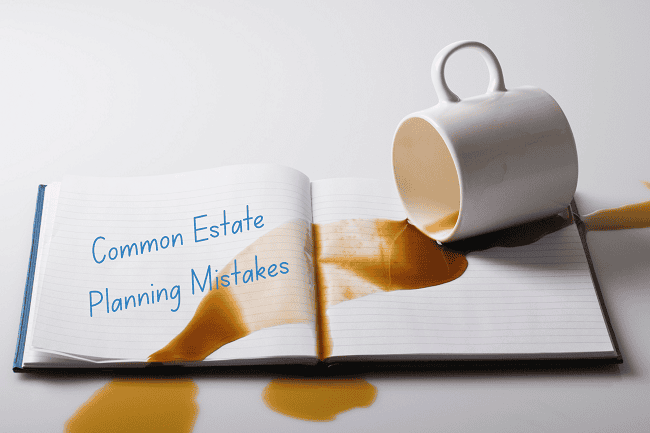
Image of coffee spilled over a notebook that has the words "Common Estate Planning Mistakes" written on it.

Estate planning is one of the most important steps you can take to protect your family, preserve your assets, and ensure your wishes are honored. Yet, many people put it off or make critical errors that can undermine even the best intentions. At Clarity Legal Group®, we help clients every day avoid expensive and emotional mistakes through clear, comprehensive planning. In this article, we’ll explore some of the most common estate planning mistakes and share tips on how to avoid them—so you can approach the future with confidence.

Not Having an Estate Plan at All

Perhaps the most serious mistake is not creating an estate plan in the first place. If you pass away without a will or trust, your estate will be subject to North Carolina’s intestacy laws, which determine who inherits your assets—regardless of your personal wishes. This often leads to delays, legal expenses, and family conflict.

How to avoid it:
Start your estate planning process now, even if you think your estate is simple. A foundational plan can go a long way toward protecting your family and your legacy.

Failing to Update Your Plan

Life changes—your plan should too. Major life events such as marriage, divorce, births, deaths, or significant financial changes can all impact your estate plan. Outdated documents can cause confusion or even result in assets going to the wrong person.

How to avoid it:
Review your estate plan every few years, or after any major life change. Work with an attorney to ensure that your documents reflect your current wishes and circumstances.

Overlooking Beneficiary Designations

Many people forget that retirement accounts, life insurance policies, and other financial instruments pass directly to the named beneficiaries—regardless of what your will says. If these designations are outdated or inconsistent with your plan, they can derail your intentions.

How to avoid it:
Check your beneficiary designations regularly and update them when necessary. Make sure they align with your overall estate plan and name contingent beneficiaries when possible.

Not Planning for Incapacity

Estate planning isn’t just about what happens after you die—it’s also about what happens if you become unable to make decisions for yourself. Without proper legal documents in place, your loved ones may need to go through a lengthy and public guardianship process to manage your affairs.

How to avoid it:
Include a durable power of attorney, healthcare power of attorney, and living will in your plan. These documents allow trusted individuals to make financial and medical decisions on your behalf if you become incapacitated.

Choosing the Wrong Executor or Trustee

Your executor or trustee is responsible for carrying out your wishes, managing your estate, and communicating with beneficiaries. Choosing someone who is unorganized, untrustworthy, or unprepared for the responsibility can lead to delays, disputes, or even litigation.

How to avoid it:
Select someone who is responsible, detail-oriented, and capable of handling legal and financial matters. Consider naming a professional fiduciary or attorney if a neutral third party would be best.

Leaving Assets Out of Your Trust

If you’ve created a revocable living trust, it only works if your assets are properly titled in the name of the trust. Too often, people fail to transfer real estate, bank accounts, or other valuable assets into the trust—defeating its purpose and potentially subjecting those assets to probate.

How to avoid it:
Work with your attorney to “fund” your trust and ensure that all relevant assets are titled correctly. Keep a list of what’s included in your trust and review it periodically.

DIY Estate Planning

Online templates and do-it-yourself kits may seem like an easy way to save money, but they often result in incomplete, invalid, or unenforceable documents. Estate planning involves complex legal and tax considerations that generic forms simply can’t address.

How to avoid it:
Consult with an experienced estate planning attorney. The investment you make now can prevent expensive legal issues and protect your loved ones from unnecessary complications later.

Final Thoughts

Avoiding these common estate planning mistakes can give you peace of mind and protect your loved ones when it matters most. At Clarity Legal Group®, we believe that good planning isn’t just about documents—it’s about clarity, communication, and care. Whether you’re just starting your plan or need to update an existing one, we’re here to help you take the next step with confidence.

Take Action
Ready to create or review your estate plan? Schedule a consultation with the attorneys at Clarity Legal Group® today and take control of your future.

  • Author
  • Recent Posts
Courtesy of Clarity Legal Group®
Follow Us
Courtesy of Clarity Legal Group®
Follow Us
Latest posts by Courtesy of Clarity Legal Group® (see all)
  • A Successor Trustee’s Guide: Navigating Trust Administration in North Carolina - August 17, 2026
  • Stuck Without an Executor or Trustee? Why You’re Not as Alone as You Think - July 10, 2026
  • Navigating an Alzheimer’s Diagnosis: A Guide to Protecting Your Future - June 23, 2026
Share this:

Date: April 29, 2025 Category: Estate Planning, General

Clarity Legal Group

Webinar Registration

Follow Us

  • x logo

Map

clarity_sidbr_map

Clarity Legal Group is conveniently located in the heart of the Triangle, based in Chapel Hill and proudly serving the state of North Carolina including Durham, Cary, Apex, Pittsboro, Hillsborough, Holly Springs, and Raleigh.

  • About The American Academy
  • Disclaimer
  • Diversity and Inclusion at Clarity Legal Group®
  • Sitemap
  • Privacy Policy
  • © 2026 American Academy of Estate Planning Attorneys.
    All Rights Reserved.
    Attorney Advertisement
  • Clarity Legal Group footer logo

    Clarity Legal Group is a registered Trademark and trade name for The Mark Costley Law Group, PLLC

    • x logo

    • Read Our 5-Star Client Reviews

"AV® , AV Preeminent® , Martindale-Hubbell DistinguishedSM and Martindale-Hubbell NotableSM are Certification Marks used under license in accordance with the Martindale-Hubbell® certification procedures, standards and policies."

x

The Ultimate Caregiver Guide!

  • This field is for validation purposes and should be left unchanged.