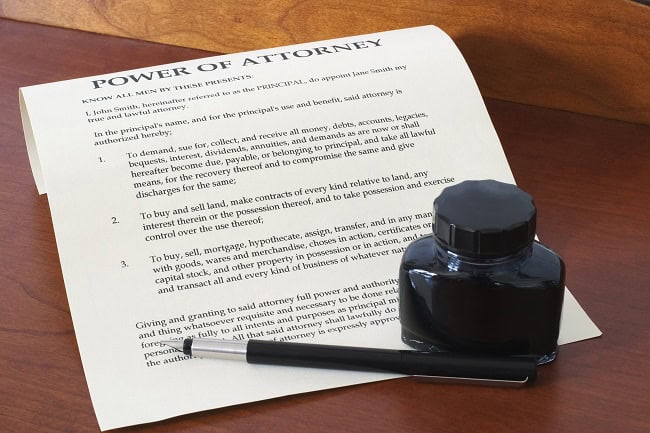
A Power of Attorney (POA) is one of the most essential estate planning tools. At Clarity Legal Group, many of our clients either create a POA or are named as the Agent under one at some point in their lives. A General Power of Attorney provides broad authority to the Agent, and making it “durable” ensures that this authority continues even if the Principal becomes incapacitated. Let’s explore the impact and responsibilities of an Agent under a North Carolina Durable General Power of Attorney (DGPOA).
What Is a North Carolina Durable General Power of Attorney?
A Power of Attorney is a legal document that allows a designated person, known as the Agent, to act on behalf of another person, called the Principal, in various legal and financial matters. POAs can be either general or limited. A general POA gives the Agent broad authority, while a limited POA restricts the Agent to specific tasks.
A durable POA is different because it remains in effect even if the Principal becomes incapacitated. Under North Carolina law, a POA is considered durable unless stated otherwise in the document. This means the Agent can continue managing the Principal’s affairs without interruption, which can be crucial in maintaining stability during difficult times.
The Authority of an Agent Under an NC POA
A North Carolina DGPOA gives the Agent extensive authority. Some of the key responsibilities include:
-
Financial Transactions: The Agent can manage the Principal’s finances, including writing checks, managing bank accounts, paying bills, and handling investments. They can also handle real estate transactions, such as buying, selling, or managing rental properties, and may even refinance loans.
-
Business Management: If the Principal owns a business, the Agent may be authorized to manage or sell the business. This includes signing contracts, making operational decisions, and ensuring the business continues to function if the Principal is incapacitated.
-
Real Estate Transactions: The Agent can execute deeds, mortgage property, and lease real estate on behalf of the Principal. If the Principal owns multiple properties, the Agent can ensure that taxes are paid, properties are maintained, and sell them if necessary.
-
Tax Responsibilities: The Agent is empowered to file federal and state tax returns on behalf of the Principal. This includes handling income tax, property tax, and estate tax matters.
-
General Legal Matters: The Agent can act on the Principal’s behalf in legal proceedings. They may hire attorneys, file lawsuits, represent the Principal in court, and settle claims or contracts.
Limitations on the Agent’s Authority
While a DGPOA gives the Agent significant power, there are limits. The Principal can outline specific restrictions in the document. For instance, the Principal may prevent the Agent from selling a particular piece of property or accessing certain bank accounts.
The Agent is legally bound to act in the best interests of the Principal as a fiduciary. If the Agent breaches this duty, they can be held accountable, and a court may reverse their actions.
North Carolina law also places legal limits on an Agent’s authority. For example, an Agent cannot make gifts unless the POA explicitly allows it. Additionally, the Agent cannot create a Will or make healthcare decisions for the Principal. If you want to grant someone authority to make healthcare decisions, you need a separate document called a Health Care Power of Attorney.
Do You Have Questions About a North Carolina Durable General Power of Attorney?
If you have questions about creating a Durable General Power of Attorney or your role as an Agent, we invite you to join us for a free seminar or contact Clarity Legal Group today. Call us at 919-484-0012 or reach out online to speak with one of our experienced estate planning attorneys in Chapel Hill, North Carolina. We’re here to provide clarity and peace of mind as you navigate these important decisions.


